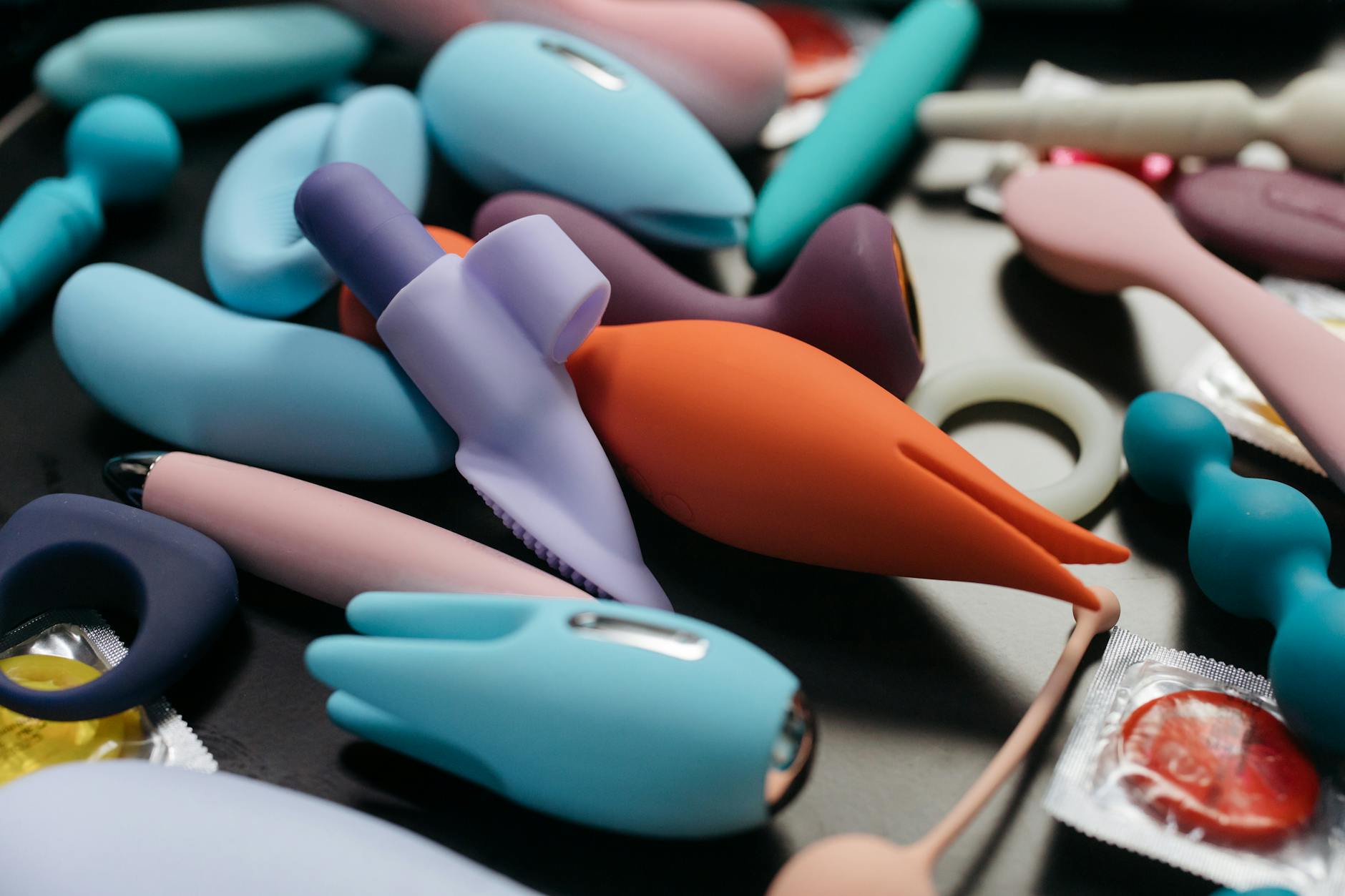
Here's the thing about introducing pleasure tools early
Most people wait. They wait until they've been together six months, a year, until the relationship feels "safe enough." But research on new relationships shows the opposite happens. Early vulnerability, handled well, actually builds trust faster. Bringing a lemon clitoral vibrator into a new relationship isn't awkward if you frame it right. It's honest.
This isn't about fixing anything. It's about both of you getting to know what feels good before patterns get locked in.
Why the conversation matters more than the toy
The vibrator itself is the easy part. The words before it are the part that determines whether you're both excited or one of you feels pressured. Here's what works: keep it direct, keep it brief, and keep it about curiosity, not correction.
Good openers: "I've noticed I respond really well to clitoral stimulation, and I want to show you what that feels like." Or simply: "I want to bring something into what we do together. I think you'll like it." Bad openers: "I need this to orgasm" or "My ex and I used toys all the time." The first set invites them in. The second set either raises performance pressure or comparisons.
Your partner's response tells you a lot. Enthusiasm is one thing. Nervous curiosity is fine too. A hard no needs respect. If they're uncomfortable, the toy doesn't fix that. A conversation about what's driving the discomfort does. Sometimes it's ignorance. Sometimes it's insecurity. Sometimes religious or family stuff lives there. You need to know which one you're dealing with before the toy comes out of the drawer.
Physical setup that makes it less weird and more sensual
Don't ambush. Don't treat it like a clinical demonstration. Build to it the way you'd build to anything else: slow, with touch, with attention. Here's the sequence that works.
Start with what you normally do. Get aroused together. Then, when you're both warm and engaged, stop briefly. This is the transition moment. Say what you said in the conversation: "I want to show you this." Then show it. Turn it on. Let your partner see it, hear it, understand it's not some mysterious thing.
Then either use it on yourself while they watch, or hand it to them. If you hand it to them, guide their hand. "A little lighter here" or "stay on this spot." This isn't about them figuring it out alone. This is you two figuring it out together.
If you're using a Lemons Massager clitoral vibrator like the Lem, the suction pattern is the draw. It doesn't vibrate like a traditional vibrator. Show them that difference. Let them feel it on their own hand first if they want to. Demystification is arousal.
Why lemon vibrators specifically work for new partners
Traditional vibrators can feel aggressive if you're new to partnered play. They're loud, they vibrate at one frequency, they work the same way whether you're turned on or not. Lemon vibrators use suction technology instead. It's gentler, more nuanced, and it actually builds sensation rather than delivering it at one volume.
For someone new to toys, this matters. You're not introducing them to buzzing intensity. You're introducing them to sensation that responds to your body's arousal. As you get more turned on, the suction feels more intense. It's intuitive. It mimics what manual stimulation does, just with more precision.
The other thing: lemon vibrators are quieter. That alone changes the experience. You can hear each other. You can hear their breathing. You can stay connected instead of listening to a hum.
Managing the sensations and pacing together
If your partner is using the vibrator on you, communication is everything. You're not lying back and letting them figure it out. You're guiding. "Higher" or "lower." "Faster patterns" or "stay right here." This isn't just practical. It's intimate. You're literally teaching them your body.
Many people new to partnered toys worry about lasting too long or coming too quickly. Both are fine. If you orgasm fast, acknowledge it. "That felt amazing." If it takes longer, that's information too. You're not on a deadline. You're gathering data about how this works.
If you're the one holding the toy, pay attention to their body. Breathing changes. Hip movement. Muscle tension. They're telling you what's working before they say anything. Good partners learn this language early.
The emotional part that nobody talks about
Introducing a toy can flip a switch in how your partner sees you. Sometimes it's a positive flip: "Oh, you know what you want. That's hot." Sometimes it's uncomfortable: "Does that mean I'm not enough?" This is the work. This is where being a couple starts.
If they're wrestling with that, be clear. "I like sex with you. This is me showing you more of what I like. It's not a replacement." Then shut up and let them sit with that. Don't over-explain. Don't apologize. You're not wrong. You're allowed to want pleasure. This is something many people in new relationships struggle to internalize, so patience matters. You might find it helpful to think about how you want to rebuild intimacy in a new relationship overall, because toys are just one piece of that.
When it goes well, something shifts. You've been vulnerable. They've been curious. You've prioritized pleasure together. That's the foundation of good sex, partnered or not.
Practical logistics nobody mentions
Clean the vibrator before and after. Water-based lube helps, even if you're already wet. It changes the sensation and lets the suction work better. Test the settings alone first so you can explain them. "This is pattern one. This is pattern three." Don't discover them together if you can help it. That's the difference between spontaneous and chaotic.
Have it accessible but not lying out like a reminder of your insecurity. In a drawer. In a nightstand. It's a tool, not a centerpiece. And if it doesn't work the first time, that's normal. New sensation takes adjustment. Your body doesn't know this feeling yet. Give it three or four tries before deciding it's not for you.
When timing and comfort collide
Some partners want to use toys immediately. Some need months. Honor what your partner needs. Pushing creates resentment. But also be honest about your own needs. "I'd like to explore this together, and I don't want to wait a year." That's fair too. You're negotiating. That's the whole relationship.
The sweet spot for many couples is two to four months in. You're past the first-date nervousness. You're not so settled in patterns that change feels threatening. You've had enough good sex that introducing something new feels like an upgrade, not a fix.
What happens after the first time
You've done it. You used a lemon vibrator together. Either it was great or awkward or somewhere in between. Now what. Talk about it the next day. Not immediately after. "That was hot." Or "It felt nice, but the angle was weird." Real feedback, not performance reviews.
Then decide if you want to do it again. Maybe it becomes a sometimes thing. Maybe it becomes regular. Maybe it becomes background. The point is you're deciding together. You've opened a door. You both know where it is now. That's the real win.
Integrating vibrators into ongoing partnered pleasure
Once you're past the first time, the vibrator becomes just another tool in your toolkit. You use it when you want focused clitoral sensation. You skip it when you don't. You might use it during foreplay and then set it aside for penetration. You might use it while they're inside you. You might use it while they watch.
The research is clear: couples who communicate about toys stay more satisfied long-term. Not because toys fix anything, but because the communication required to use them together carries into everything else. You learn how to say what you want. You learn how to listen. You learn that pleasure is collaborative.
That's the real magic. Not the vibrator. The conversation it starts.
FAQ
Can I use a lemon vibrator on my partner's body, or are they designed only for my own use?
Clitoral vibrators are designed to work on any body part where you want focused sensation. If your partner has a vulva, you can absolutely use a lemon clitoral vibrator on them. If they don't, you can use it during foreplay on their body, or they can use it on themselves while you're together. The suction technology in lemon vibrators is gentle enough for sensitive areas and versatile enough to work on different anatomy. Just ask what they want first.
What if my new partner says they've never used a toy and feels nervous?
That's the most common response, and it's totally fine. Nervousness usually comes from one of three places: they don't understand how it works, they're worried about performance pressure, or they have cultural or religious hesitation. Address the right one. If it's not understanding, let them hold it, feel it on their hand, turn it on and off. If it's performance pressure, be explicit: "I just want more sensation. This has nothing to do with you." If it's deeper hesitation, respect it. You can revisit in a few months.
Should I explain what a clitoral vibrator is before showing it to them, or just bring it into the moment?
Bring it into the conversation before the bedroom. You don't need a TED talk. Just: "I use a vibrator for clitoral stimulation. I'd like to use it when we're together." That's it. Then answer questions if they have them. The conversation removes shock value. The moment itself stays sensual instead of educational.
How do I know if a lemon vibrator is right for a new relationship, or if a different toy would be better?
Lemon vibrators are particularly good for new couples because the suction sensation is gentler than traditional vibration, they're quieter, and they're intuitive to use. You don't need to explain settings or technique. That said, what matters most is what you want. If you love deep vibration, get a vibrator that does that. Your comfort trumps what's "good for new couples." Your partner will respond to your genuine pleasure more than to the "right" toy.
What do I do if my partner wants to use the vibrator, but I'm not comfortable with that level of control?
Say that. "I'd like to hold this one myself." Or "Let me guide your hand the first time." You're allowed to have boundaries. And your partner should respect them. If they push back, that's information about how they handle your no. Not great information. The toys are the small stakes. Pay attention to how they respond when you set a limit.
Is it normal for the sensation to feel different than I expected the first time?
Completely normal. Your body doesn't know this feeling yet. It takes three to five experiences for your nervous system to relax and actually feel pleasure instead of novelty. So use it a few times before deciding you don't like it. Also, the angle, pressure, and pattern all matter. What feels amazing on day one might feel off on day five. Adjust. Your preferences will get clearer with time.